GHSA-hvp5-5x4f-33fq is a low-severity (CVSS 3.3) vulnerability in io.github.skylot:jadx-core. A fix is available for io.github.skylot:jadx-core — see the affected versions and patch details below.
JADX file override vulnerability
Real-World Exposure
io.github.skylot:jadx-coreReal-time download stats are indexed for npm and PyPI packages. This vulnerability affects Maven packages — download data is not available via public APIs for these ecosystems.
Description
Summary
when jadx parses a resource file, there is an escape problem with the style file, which can overwrite other files in the directory when saving the decompile result.
Although I don't think this vulnerability realizes path traversal in the true sense of the word , I reported it anyway
Details
I see that getResAlias does something with the filename.
private String getResAlias(int resRef, String origKeyName, @Nullable FieldNode constField) {
but type style will return the original filename directly.
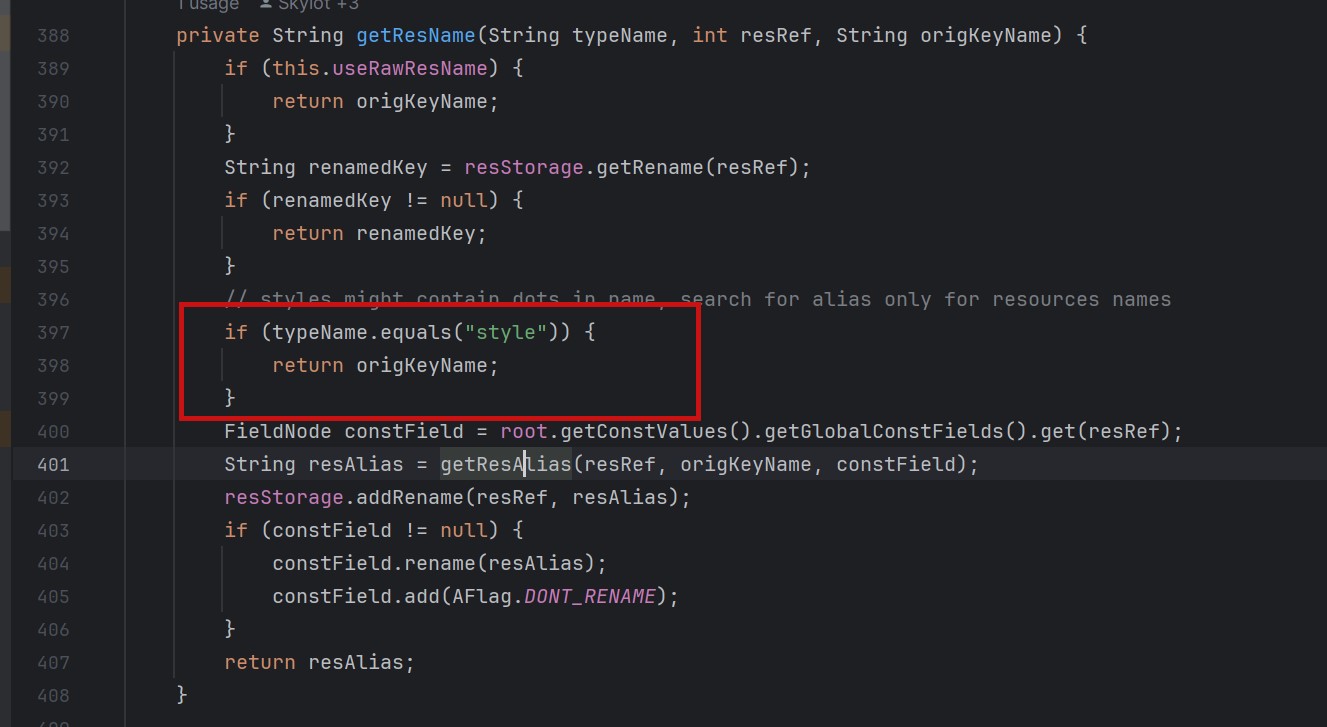 so our goal is to take a malicious file that was originally of type raw, modify its type to style, trick jadx into
step1
create an android project using androidstudio and create a raw folder with the name attack_file_sayhiiiiiiiiiiiii, it doesn't matter what the content is!
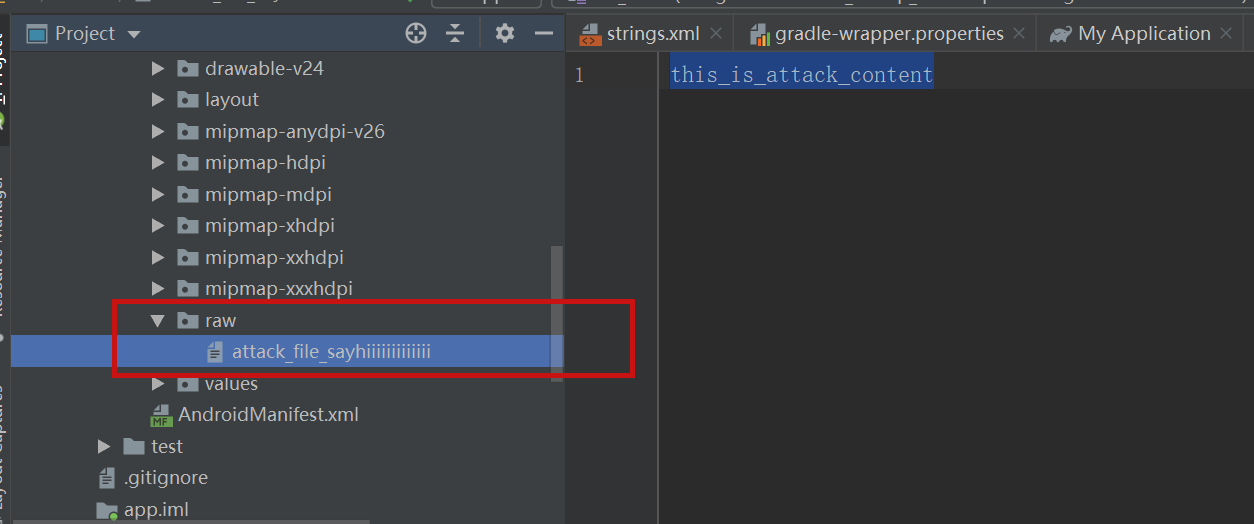 generate an initial APK
step2
extract this initial APK using ZIP software to get resources.arsc
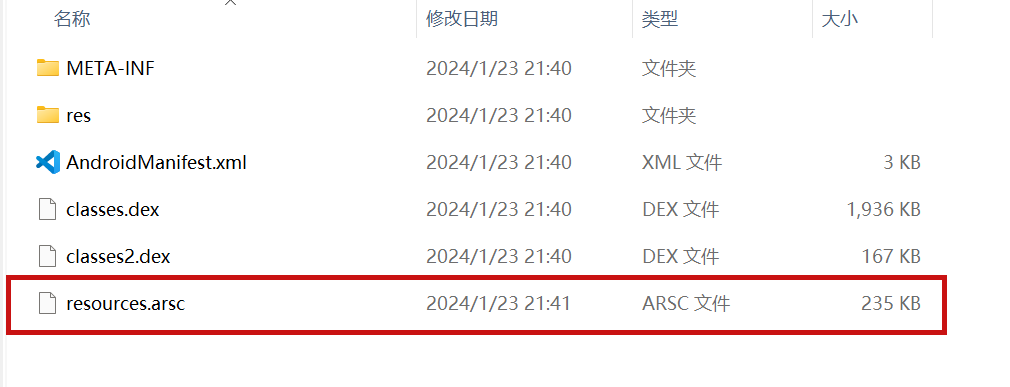 drop resources.arsc into 010editor
step3
search for the previous filename attack_file_sayhiiiiiiiiiiiii , two will appear here, we choose the second one
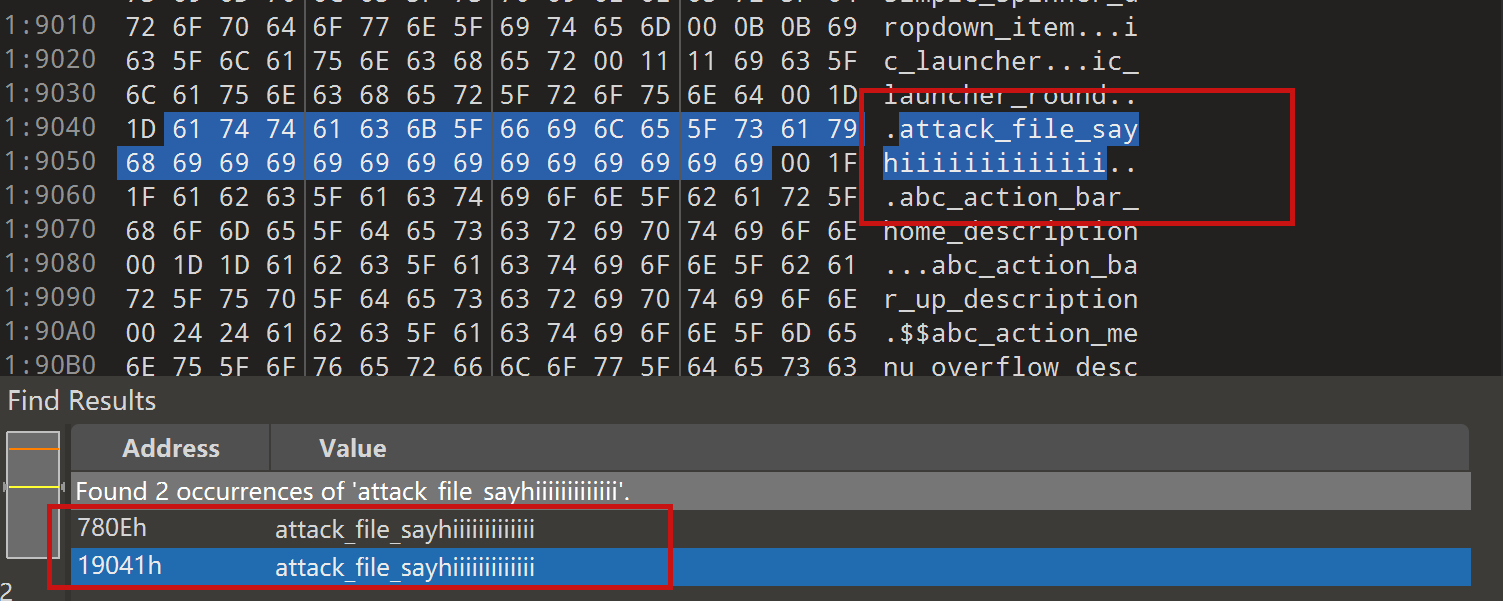 let's change the name of the file here. I'll change it to ../../_file_sayhiiiiiiiiiiiii
note that you can only overwrite files in the folder where the decompile was saved.
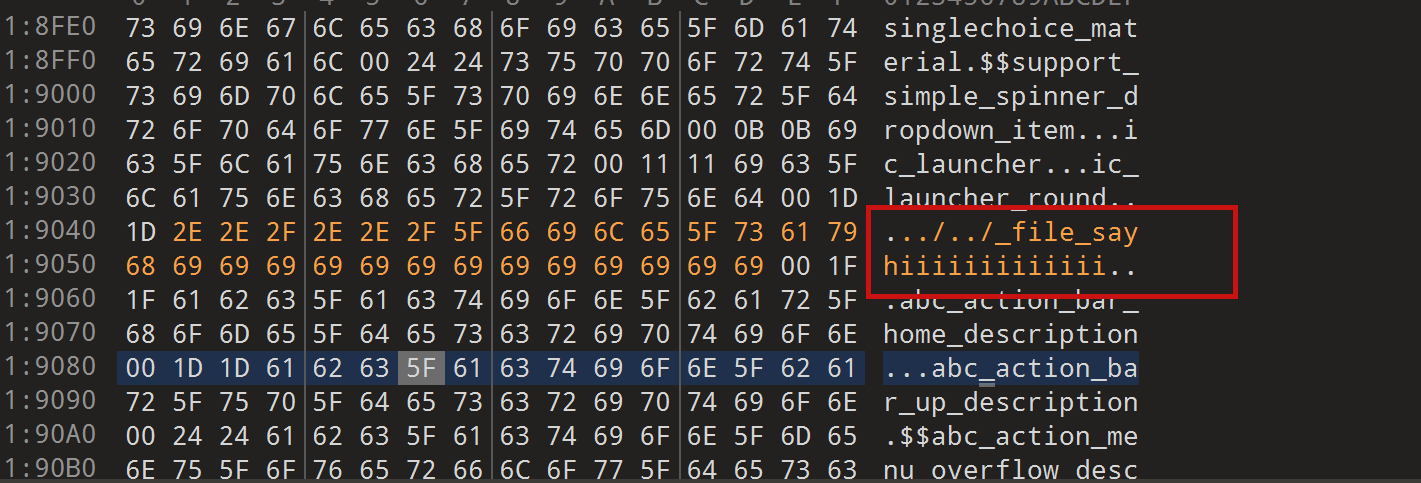
step4
change the type of this file to style
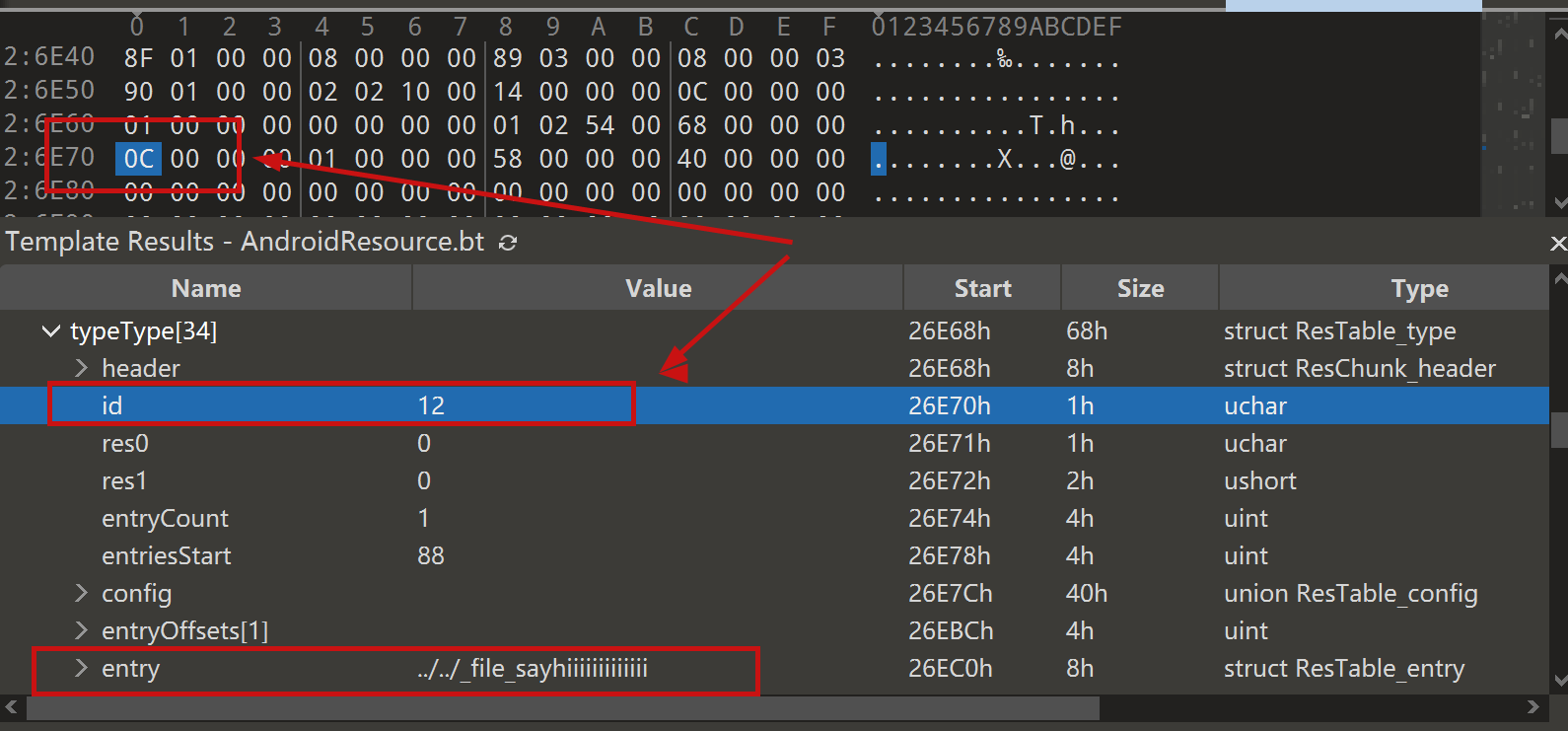 modified to 0E
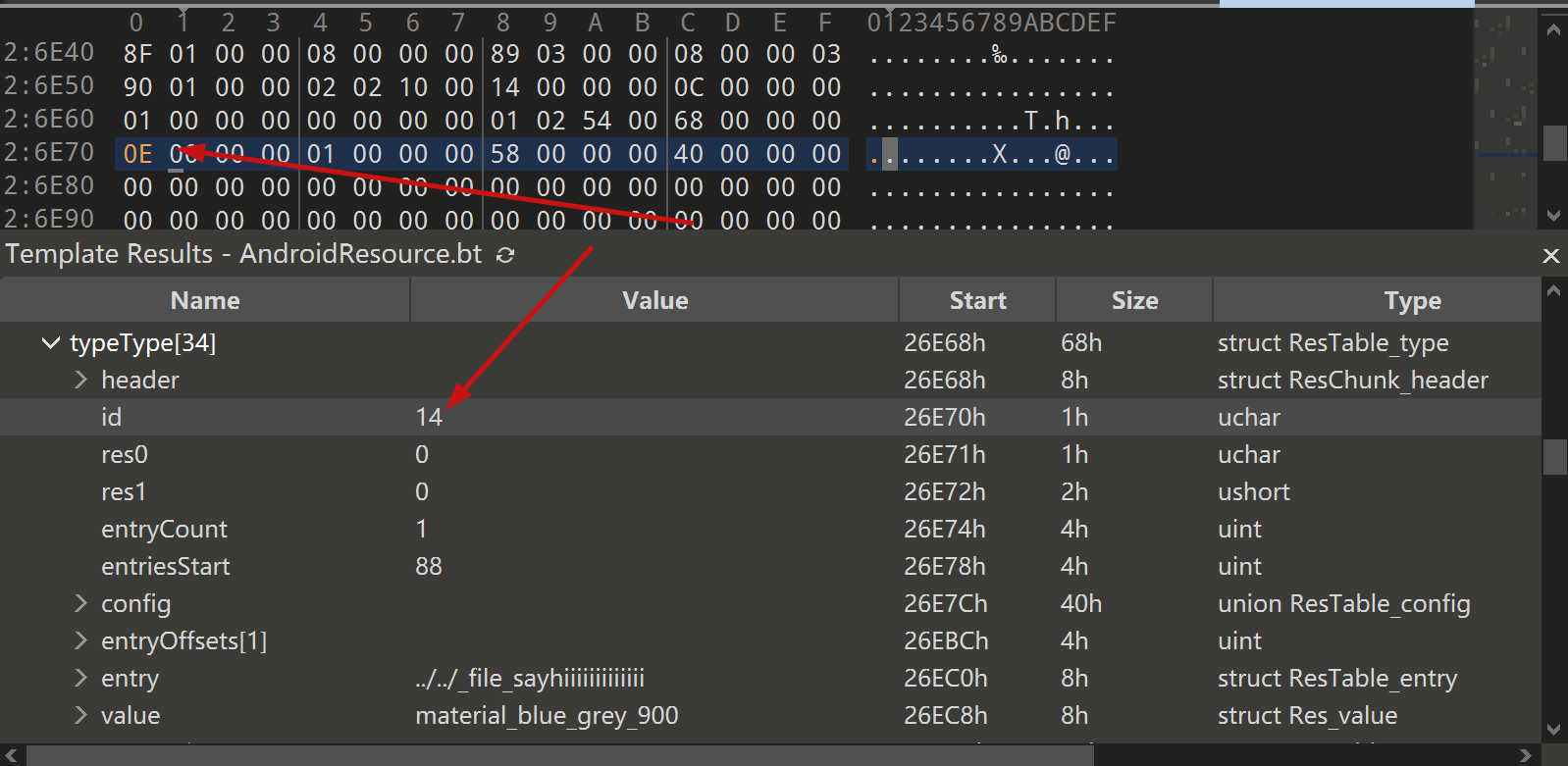
step5
After saving, re-compress the whole folder into a zip, then change the extension to APK.
open it with JADX and you can see that it has been changed to a style type.
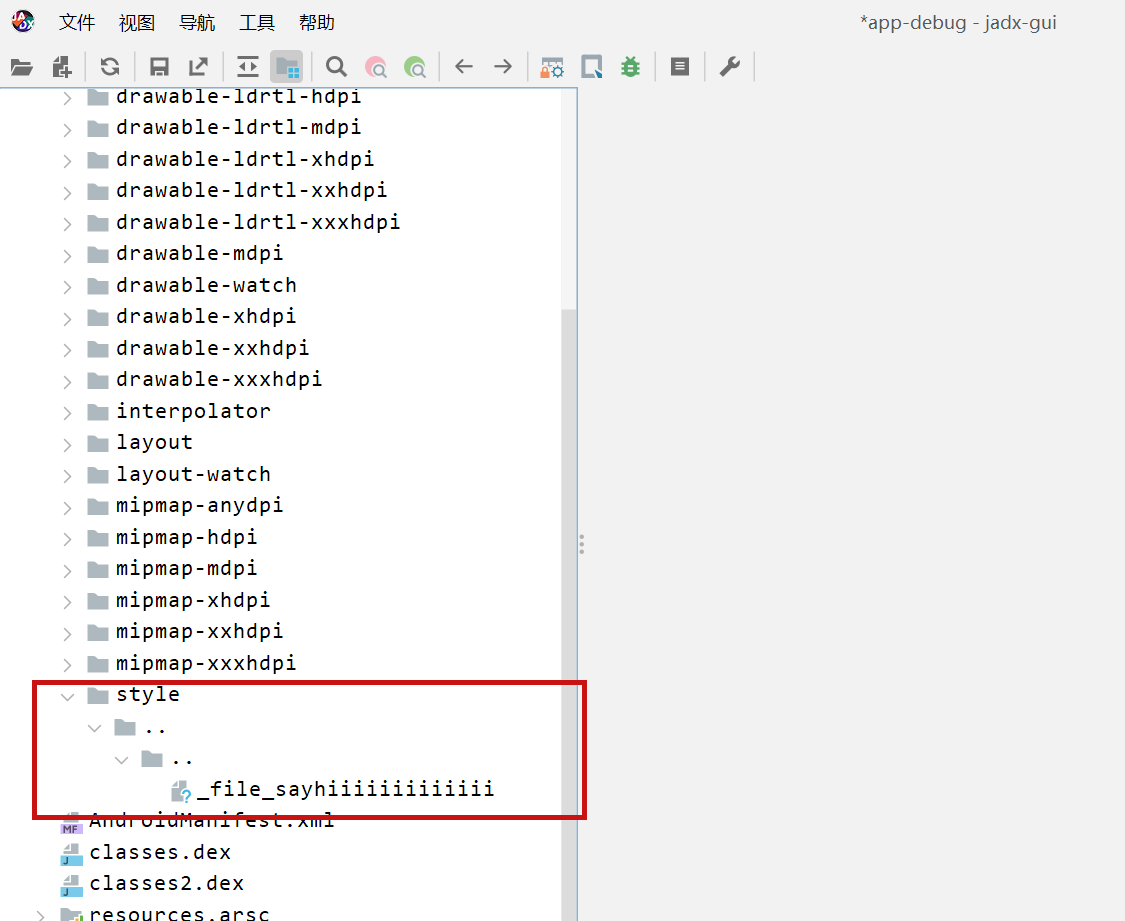 click save all
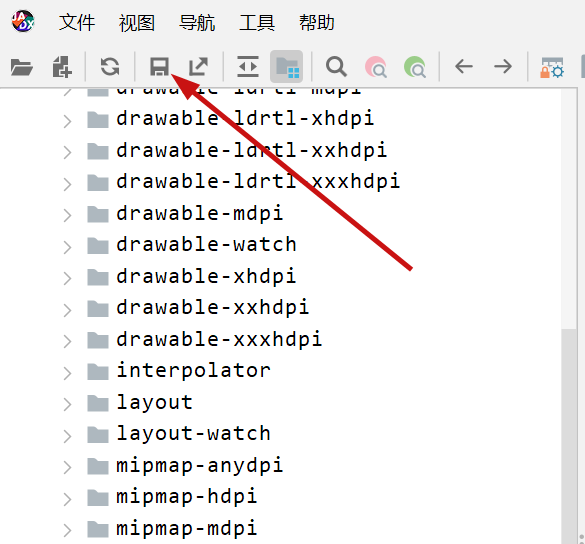 you can see the file escaping.
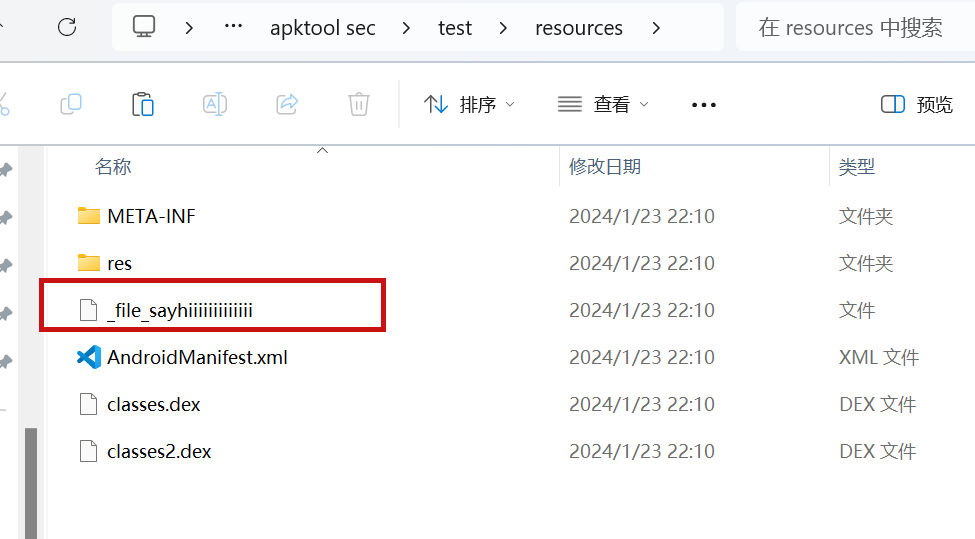 so we can also construct a
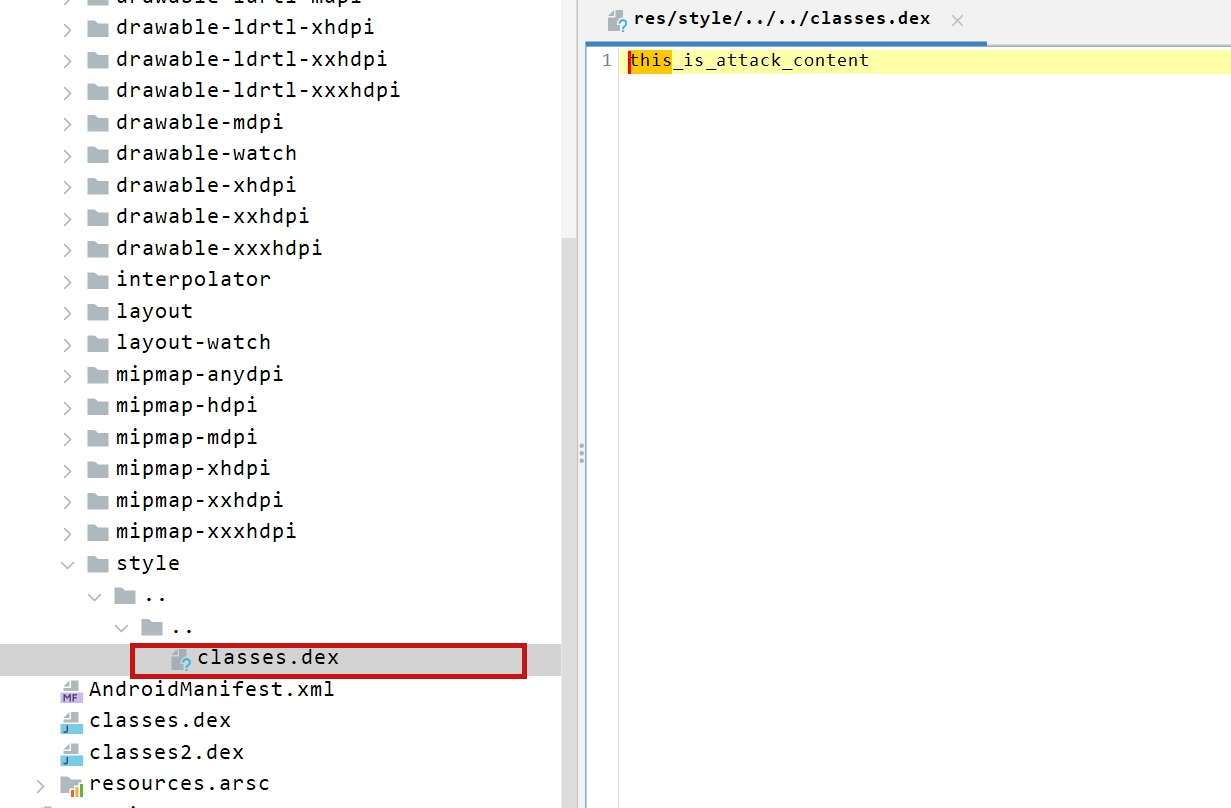 so the classes.dex file is also replaced here
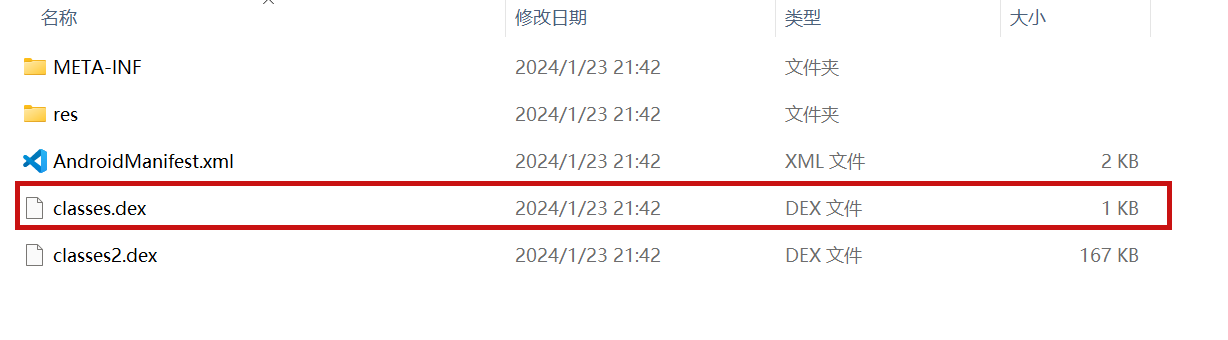
PoC
the details above have been written
Impact
latest version
Affected Packages
| Ecosystem | Package | Vulnerable range | Fix |
|---|---|---|---|
| ☕Maven | io.github.skylot:jadx-core | all versions | 1.5.0io.github.skylot:jadx-core:1.5.0 |
Detection & mitigation playbook
Open-source dependencyDetect
Scan your dependency tree (package-lock.json, pnpm-lock.yaml, requirements.txt, go.sum, etc.) for io.github.skylot:jadx-core, including transitive dependencies — a direct dependency you never call can still pull in a vulnerable version.
Fix
Update io.github.skylot:jadx-core to 1.5.0 or later, then make sure no transitive (indirect) dependency still pins the vulnerable range — O3 confirms GHSA-hvp5-5x4f-33fq is resolved across your whole dependency graph.
Workarounds
If you can't upgrade right away: gate or disable the affected feature, validate untrusted input at the boundary, and avoid passing attacker-controlled data into the vulnerable path. O3's runtime protection blocks exploitation in production as an interim safeguard until the upgrade lands.
How O3 protects you
O3 Security's impact-aware SCA analyses which vulnerable code paths your application actually calls, so a match like GHSA-hvp5-5x4f-33fq can be triaged on real exposure rather than presence alone.
Tailored to GHSA-hvp5-5x4f-33fq. Runtime protection reduces exposure until a permanent patch is applied and verified — it complements patching, it doesn't replace it.
Frequently Asked Questions
Is GHSA-hvp5-5x4f-33fq in your dependencies?
O3 Security finds GHSA-hvp5-5x4f-33fq across Maven dependencies, including transitive ones, and its impact-aware SCA ranks findings by whether your code actually calls the vulnerable path.