GHSA-fj52-5g4h-gmq8 — pyload-ng
Fix: pyload/pyload@e95804fGHSA-fj52-5g4h-gmq8 is a security vulnerability in pyload-ng. No vendor fix is recorded yet; mitigation options are listed below.
pyLoad's Session Not Invalidated After Permission Changes
Real-World Exposure
pyload-ngReal-time download stats are indexed for npm and PyPI packages. This vulnerability affects PyPI packages — download data is not available via public APIs for these ecosystems.
Description
Summary
The pyload application does not properly invalidate or modify sessions upon changes made to a user's permissions.
Details
Whenever an administrator changes the permissions a specific account has, they do not expect that account still being able to access data that their new permissions do not allow. This is not the case for the pyload application, as a user with a valid session can still perform the actions.
PoC
Take a user with all the permissions, as shown below.
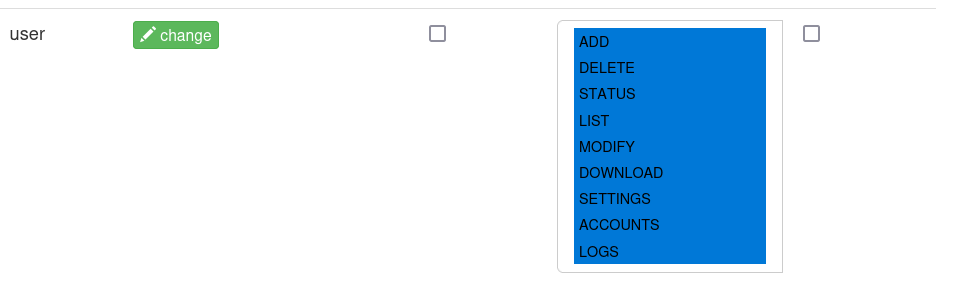
We now log in as this user.

Let us now take away all the permissions.
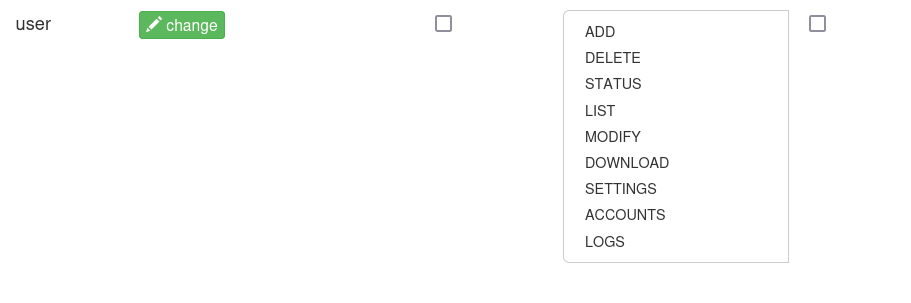
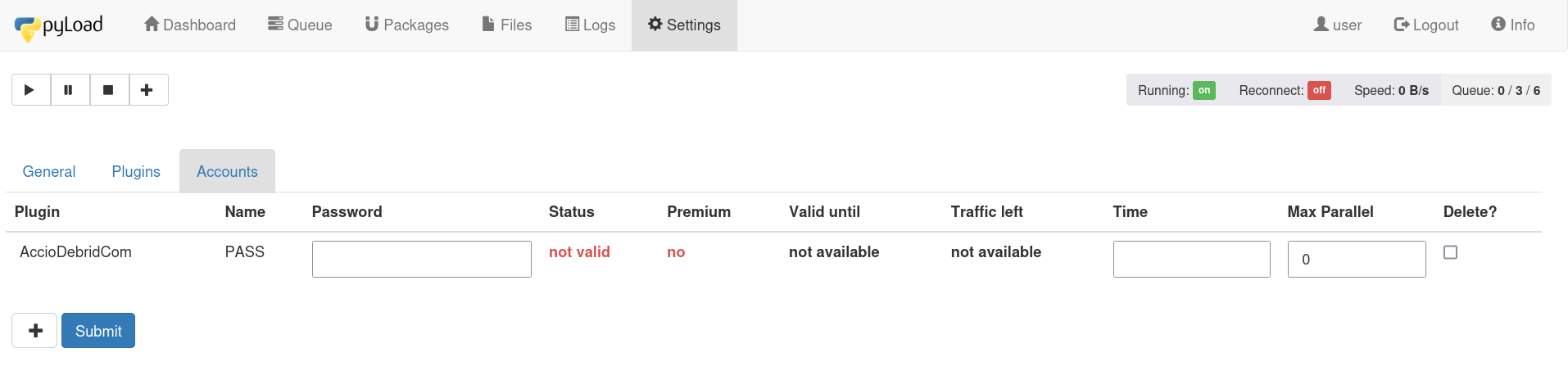
The logged in session can still be used to access everything in the application.
Impact
Should permissions be taken away, then the user is expected not to be able to execute the actions belonging to those actions anymore.
Affected Packages
| Ecosystem | Package | Vulnerable range | Fix |
|---|---|---|---|
| 🐍PyPI | pyload-ng | all versions | No fix |
Detection & mitigation playbook
Open-source dependencyDetect
Scan your dependency tree (package-lock.json, pnpm-lock.yaml, requirements.txt, go.sum, etc.) for pyload-ng, including transitive dependencies — a direct dependency you never call can still pull in a vulnerable version.
Remediation status
No patched version of pyload-ng has shipped for GHSA-fj52-5g4h-gmq8 yet. Where your build allows, override or pin the dependency away from the vulnerable range, and apply any maintainer-recommended mitigation.
Mitigate without a patch
If you can't upgrade right away: gate or disable the affected feature, validate untrusted input at the boundary, and avoid passing attacker-controlled data into the vulnerable path. O3's runtime protection blocks exploitation in production as an interim safeguard until the upgrade lands.
How O3 protects you
O3 Security's impact-aware SCA analyses which vulnerable code paths your application actually calls, so a match like GHSA-fj52-5g4h-gmq8 can be triaged on real exposure rather than presence alone.
Tailored to GHSA-fj52-5g4h-gmq8. Runtime protection reduces exposure until a permanent patch is applied and verified — it complements patching, it doesn't replace it.
Frequently Asked Questions
Is GHSA-fj52-5g4h-gmq8 in your dependencies?
O3 Security finds GHSA-fj52-5g4h-gmq8 across PyPI dependencies, including transitive ones, and its impact-aware SCA ranks findings by whether your code actually calls the vulnerable path.